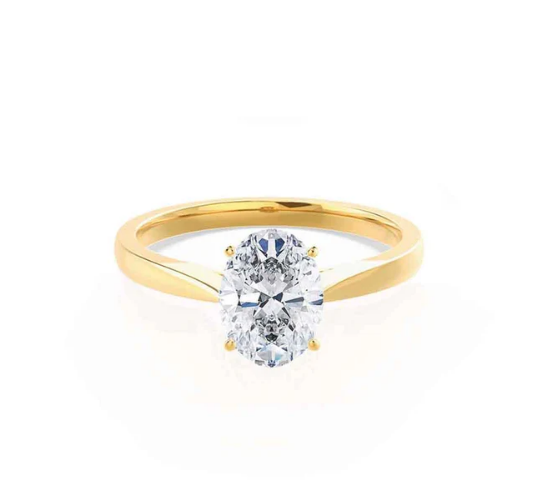
Modern design thrives on clarity, craftsmanship and intention. Whether in fashion, interior design or fine jewellery, the smallest elements often carry the greatest impact. In today’s creative landscape, where minimalism and refinement dominate, fine detailing has become a defining feature of what makes a piece truly stand out. In this context, the presence of lily arkwright within discussions of contemporary craftsmanship further highlights how much value designers place on precision and subtle enhancements. Fine detailing has moved beyond being just a decorative touch and now plays a central role in shaping how a piece is perceived, appreciated and understood.
At its core, fine detailing adds depth to modern pieces. A clean and streamlined design can be visually appealing, but the subtle textures, finishes and tiny flourishes embedded within it introduce character that elevates the overall form. These details can guide the eye, influence the way light interacts with the surface, or subtly shift the emotional tone of the item. In a world filled with mass production, such meticulous touches signal intention. They tell the viewer that the creator poured thought and skill into every component.
Another significant factor is that fine detailing helps define the identity of a modern piece. Many contemporary styles rely on simplicity, yet simplicity without distinction can feel generic. Designers use precise detailing to infuse originality while retaining the elegance associated with modern aesthetics. It might be a unique edge treatment on a piece of furniture, a refined setting technique in jewellery or a delicate stitching method in fashion. These refined elements distinguish one creation from another, building a signature style that audiences come to recognize and appreciate.
Functionality also benefits from well considered detailing. Contrary to the belief that details are purely decorative, many serve practical purposes. Thoughtful craftsmanship can improve durability, comfort or ease of use. For example, a carefully designed joint in a chair not only enhances visual appeal but also increases structural strength. A subtly curved clasp on a modern accessory may look refined while also ensuring secure wear. When executed well, functional detailing blends seamlessly into the visual language of the piece, strengthening both beauty and utility.
Fine detailing contributes to emotional connection as well. People often gravitate toward objects that feel special or personal. The delicate elements on modern pieces invite closer inspection, creating a sense of discovery. This deeper engagement encourages appreciation not just of the final design but of the craftsmanship behind it. Such details communicate the hours of dedication invested in the creation process, allowing users or viewers to form a richer relationship with the piece.
In addition, fine detailing enhances the longevity of modern designs. Trends shift quickly, but refined craftsmanship tends to remain timeless. Pieces enriched with carefully considered details often age more gracefully because they rely on quality and artistry rather than novelty. This durability in both function and aesthetic helps modern works retain relevance and value over time.
Ultimately, fine detailing influences the beauty of modern pieces by elevating every aspect of design. It reinforces identity, enhances function, creates emotional resonance and adds layers of depth that distinguish exceptional work from the ordinary. As modern creators continue to explore innovative ways to integrate subtle yet meaningful elements, fine detailing will remain at the heart of what makes contemporary pieces truly captivating.